Monday, 20 November 2023

A walk on the south of Beverley

I took the bus to Beverley and started my walk at Victoria Road by Normandy Av and weaved my way along green lanes towards Willow Lane. This was a walk of the wet side of Beverley, including various springs, becks, drains, Beckside and the River Hull.

A Chiffchaff was calling from the bushes and I managed a record shot..

This is a spring at Keldmarsh, the water bubbling from the sandy bottom in various places. I follow the stream along Willow Lane, there are still several mature White Willows along it and large patches of Water Startwort. There is a lot of house building in this area, making the OS map quite obsolete. I carry on via Long Lane until the Minster, and then make a stop at Flemingate.

The Keldmarsh beck along Willow Lane.

Water Starwort.
Moorhen.
Beverley Minster.
A Jackdaw inspects under a gutter, but then moves some leaves out of the way and gets a morsel it had probably cached there before.

After a hot drink and a snack I continue along Flemingate towards Beckside. I had never walked this western end of Beckside. I continue, checking the information panels about history and heritage of Beverley Beck.

Old restored barges at Beckside.
Crane and anchor.
Mallard at Beverley Beck.

Blackbird feeding on crab apples.

I cross under the road bridge. It has been cloudy, mild and still, but now it started to drizzle. A Kestrel is flying around Figham Common calling loudly and flushing the Starlings and Goldfinches. It eventually lands atop a tree. The Beck looks more wild now (top shot), but it is straightened and embanked, it was probably very marshy in the confluence of the river Hull and the Beck before the embankment was built.


Figham Common with cows and gulls.
A posing Blackbird.
More photos from the common.


Rook
I get to the lock between Beverley Beck and the river Hull.

River Hull.
Cormorant fishing in the River Hull.

Time to turn back. I find some Water Soldier plants in Beckside. They are more plentiful near the lock, but I find another near the start of the canal. There are old records of this native species in Beverley, but it hasn't been seen for a long time. It will be interesting to see if it comes back next year. It might just be a release, as the plant is sold as a pond ornamental.
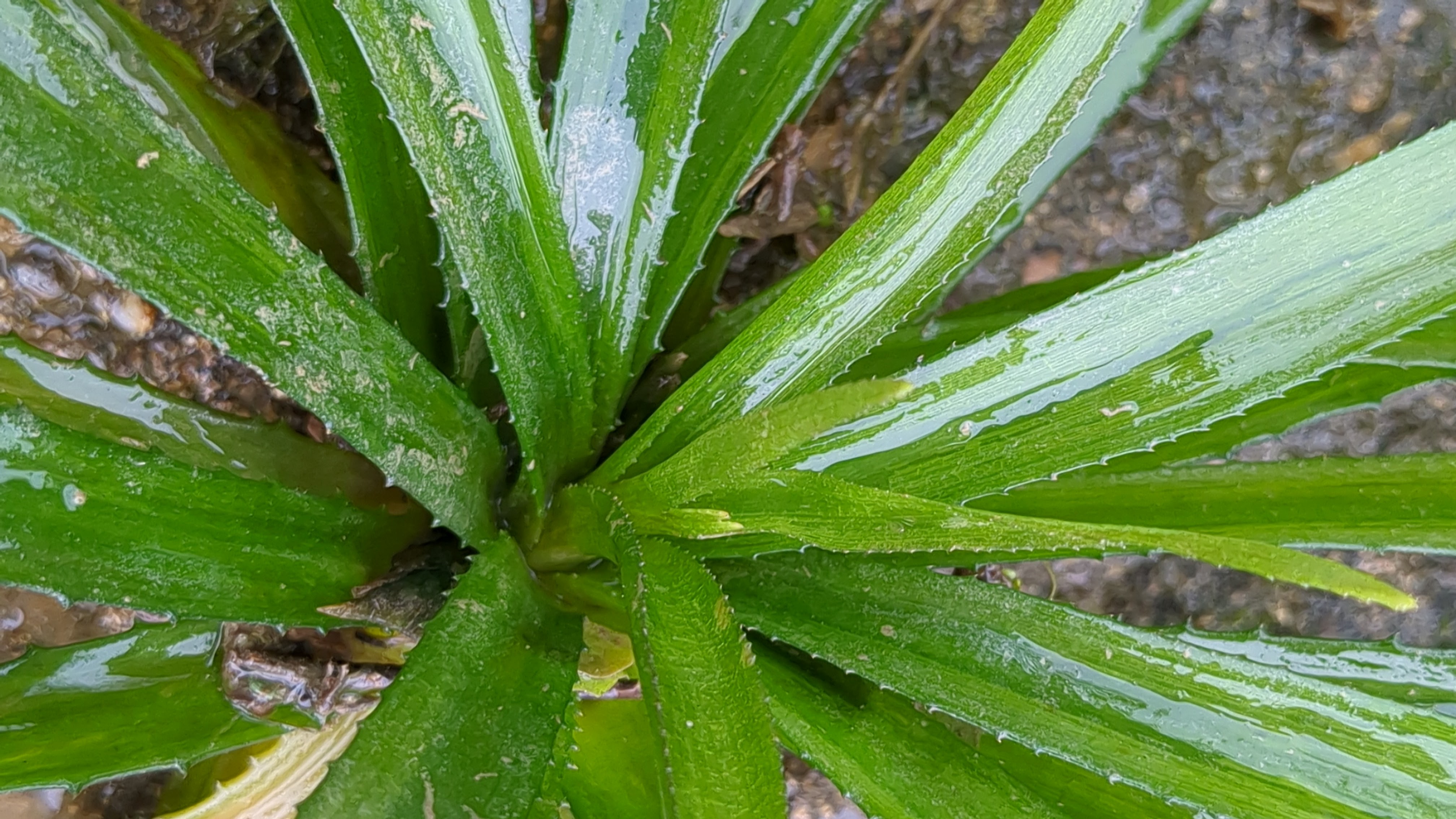
Water Soldier.

Beverley Beck.

Wednesday, 15 November 2023

Train Trip: North Ferriby to St Andrews Quay

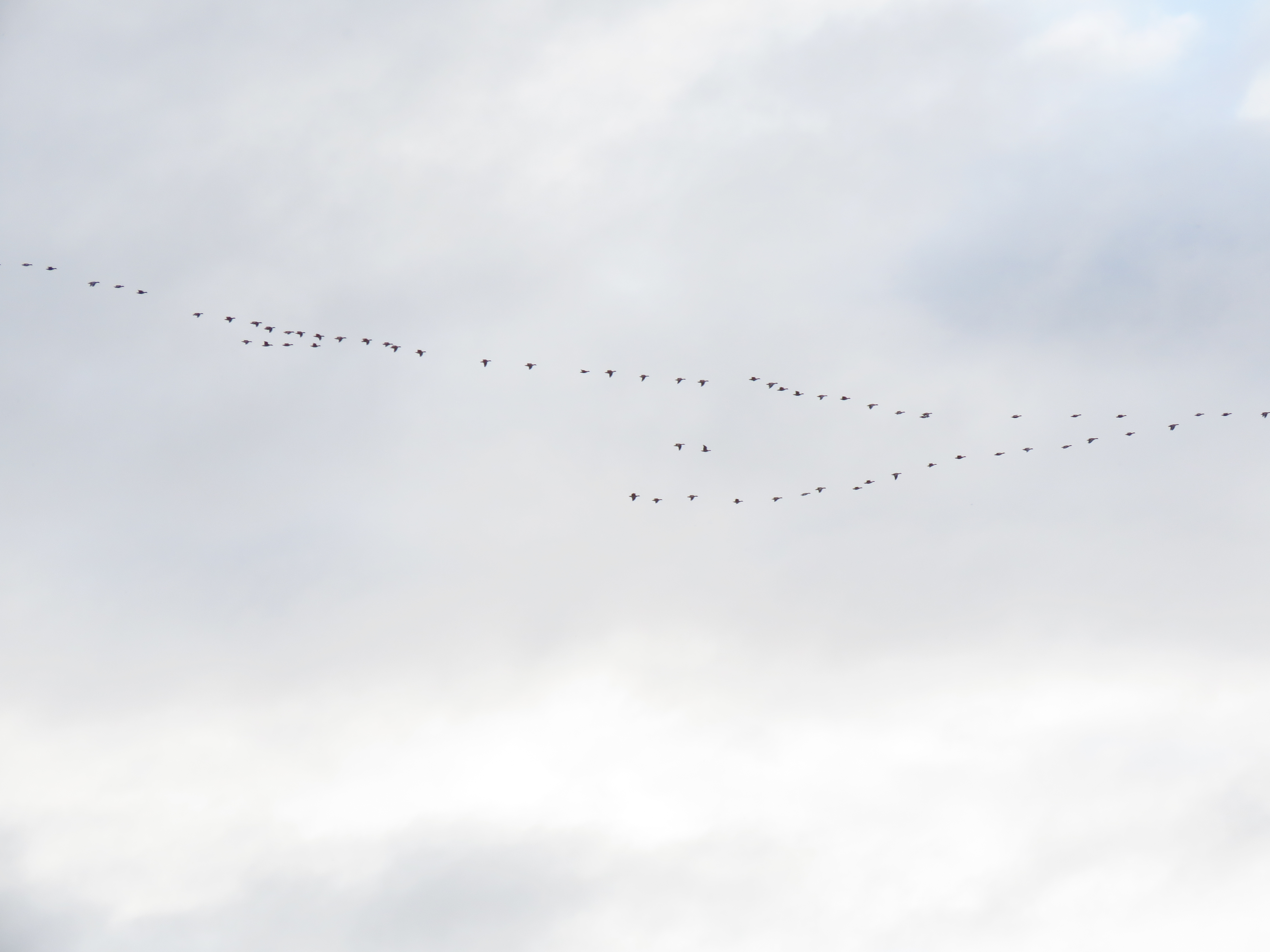
Today's was a familiar walk I've done before, from North Ferriby to St Andrew's Quay, but the conditions made it into a wonderful day, very different from my previous experience. I took the train to North Ferriby and walked straight to the Humber shore, then following the coastal footpath (shared by the Trans-Pennine Way and Wolds Way) east. The first stretch is on the foreshore itself. The tide had been high a couple of hours prior and much of the shore and mudbanks were exposed. Wigeon and Redshank were dotted all along the walk feeding near the waterline. The top of the foreshore was easy to walk on and I could explore the little patches of saltmarsh without disturbing the birds. It was mild and still, the Humber a mirror reflecting the bridge, quite a dramatic change with yesterdays stormy weather. Overhead, Pink-footed Geese calling as they crossed the Humber towards Lincolnshire.


Goldfinch on Alders on the way to the train station.

Woodpigeon gorging on cotoneaster berries.
Wigeon on Ferriby foreshore.
Pink-footed Geese.

I climb the sea wall and look at the reedy pond. Just a Moorhen is visible, but a Water Rail calls, and a runner flushes a Green Woodpecker from the path. The paddocks are covered in birds: Goldfinches, Greenfinches, Chaffinches, Starling and Pied Wagtails. There are two Meadow Pipits, one of them stopping to scratch constantly. I continue on the top footpath and at some point walk down to the beach again to explore the saltmarsh.

Goldfinches and Greenfinch.
The itchy Meadow Pipit.
Mallard.
Humber Bridge from the seawall.
Curlews, three of a flock of 17.
The Dun Sentinel was one of my target species, it is a saltmarsh specialist that can be easily found feeding after high tides.
A patch of reeds with the dead stems marking the highest reach of the previous tide.
This was my favourite finding of the day Lekanesphaera sp. they are small isopods, relatives of the terrestrial woodlice, of estuaries and they live under rocks and logs, and dig into mud. As their name suggests and is shown in the photo, they have the ability to roll into a ball and that gives them another common name: sea pills.
A large log lodged on the top marsh. This is an area of obvious erosion.
Common Gull.
Redshank.
I'm getting close to Hessle and I stop for an early lunch at the Country Park. Then I carry on following the Trans-Pennine Trail up Hessle Haven and around the car warehouses, then returning to the Humber foreshore.
Sea Aster.
Redshank.

A Woodpigeon with a serious case of avian pox. If the bird can feed, recovery is possible as the lesions can regress after a few weeks.

Looking back to North Ferriby. The foreshore is mostly chalk pebbles.

Another favourite sighting of the day. This Great Black-backed gull had found some food, maybe a flat fish? and was mostly happy to share with the Carrion Crows. 

The day was so mild that bumblebees and hoverflies were foraging. Here, a Buff-tailed Bumblebee feeding on White Dead-nettle.
And a hoverfly, Eupeodes luniger feeding on Bristly Ox-tongue.
A Grey Heron fed on a shallow area between sand banks.
Reedbed fringe by the sea wall.

It was a long walk, a total of 23 km, after St Andrews Quay I pressed home, passing by the Rawlings Way rowans where I had Waxwings a few years ago. Plenty of berries but just Blackbirds enjoying them.

Saturday, 11 November 2023

Tophill Low in November

A trip to Tophill Low on a calm and sunny day with the Hull Natural History Society. We get to the car park by 10am and have a quick look at D res before heading to the south of the reserve. Amy tells us about the new grazers in the reserve: sheep, pigs, goats and cattle now are the grazing team, it's like Tophill Low is the Yorkshire Knepp! A big pull for me was the Ring-necked Drake that had been reported at O-res, which we ended up missing. We walk south along the new path enjoying the new additions to it like the large reconstruction of the Roos Carr carved figures found in Holderness, now standing in their own bog.

Roos Carr figures reconstruction.

Common Darter
As we got to O-res, we quickly found the Red-necked Grebe. The light wasn't the best to search for the Rong-necked Duck, and a birder there with a telescope hadn't seen it either. 


Red-necked Grebe.
Forty-five Curlews and a pair of Mute Swans were at South Marsh East.
Roe Deer
We had seen a fly-over Whooper from the visitor centre, now it appeared this had landed at O-res. A single brown feather possibly meaning its a young bird becoming separated from the flock.

Fieldfares and Redwings were on the hawthorn on the way to the Watton hide. The goats were browsing under the Hawthorns. As soon as we got there, I had a UK lifer in the shape of 8-9 Cattle Egrets roosting on the shore. Two Little Egrets were about too and then a Great White Egret landed, a lifer for some of the present. The arrival of a Grey Heron completed the set of Ardeidae for the day!

Cattle Egrets and Greylags.
Cattle Egrets.
Great White Egret.
Large White Egret, Little Egret and Grey Heron posing well for comparison purposes.
Tufted Ducks.
Fieldfare.
Common Darters. We saw a total of 5 individuals. A Peacock was also seen.
The striking Dog Stinkhorn.
This is a record shot of the Red-crested Pochards.